
Why Many Homes and Workplaces Still Hold Hidden Dirt and Germs
Many people clean their spaces often, yet problems still appear over time. Dust builds up. Odors linger. Allergies act up without warning. This usually happens because some spaces are easy to ignore during routine care. These missed spots can hold grease, bacteria, and debris for months. Over time, they affect air quality, surface life, and overall health. Knowing where these areas hide helps you see why basic efforts fall short. It also explains when outside support becomes a smart choice.
Health and Comfort Benefits You Gain Over Time
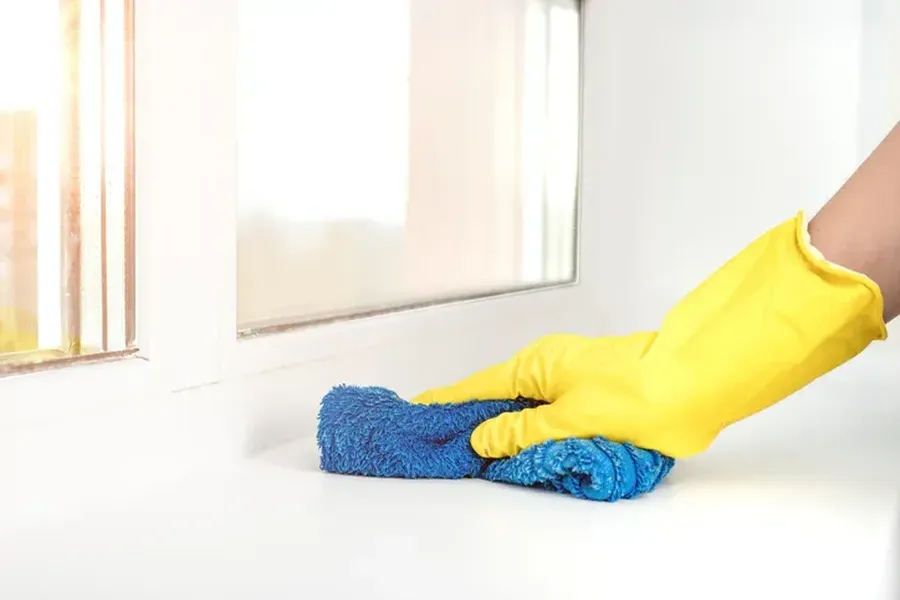
One major benefit of deep cleaning is better indoor health for you and your family. Dirt trapped in hidden areas spreads allergens through the air each day. This leads to coughing, sneezing, and skin irritation. When those areas get proper care, air feels fresher and surfaces stay safer. You also protect flooring, fixtures, and appliances from early wear. Over time, this lowers repair costs and keeps your space more comfortable.
Common Problems Caused by Missed Cleaning Areas
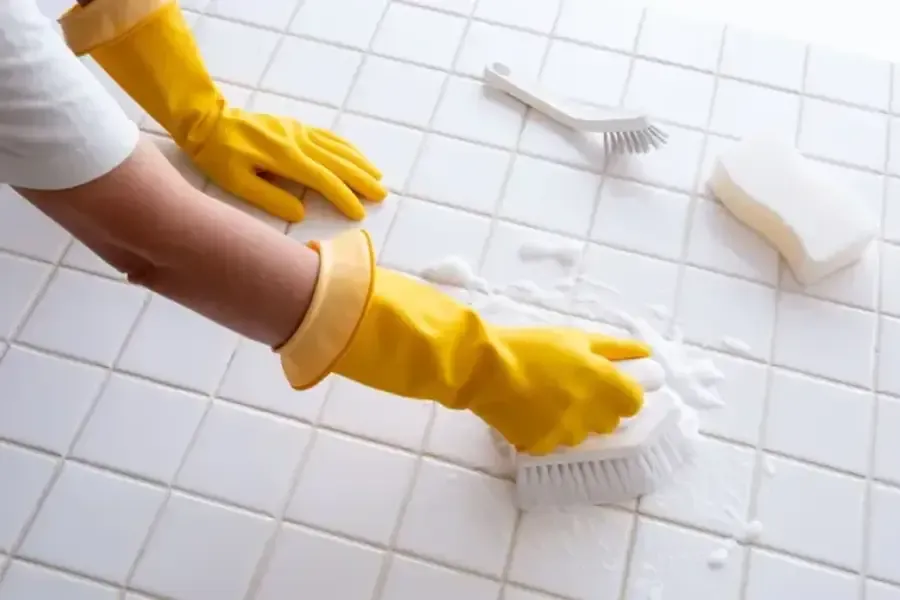
Without deep cleaning, hidden buildup keeps growing in places you rarely check. Grease collects behind stoves and fridges. Mold forms under sinks and around vents. Bacteria gathers on switches and door handles. These issues cause odors, stains, and health risks. Many people only notice once damage starts. At that point, fixes cost more and take longer.
Hidden Areas Often Overlooked During Routine Care
Some areas get skipped because they sit out of sight or need tools. These spots collect dirt faster than open surfaces. Paying attention to them reduces long-term problems.
- Behind large appliances and washers
- Vent covers and air return grilles
- Baseboards and door frames
- Light switches and outlet plates
- Under bathroom sinks and cabinets
Steps Professionals Follow to Reach These Areas
Trained crews use a system that covers both visible and hidden spots. This process helps prevent missed buildup and surface damage.
- Inspect rooms to find high-risk areas
- Use safe cleaners matched to each surface
- Remove and clean covers, vents, and filters
- Detail edges, corners, and tight spaces
- Final check to confirm full coverage
Best Practices That Keep Problem Areas Clean Longer
You can slow buildup by following simple habits between visits. These steps help keep results lasting longer.
- Wipe switches and handles weekly
- Vacuum vents and baseboards monthly
- Check under sinks for moisture often
- Move small appliances during cleanups
Industry Standards That Guide Professional Work
Cleaning services follow safety rules set by OSHA and the EPA. These guidelines help control chemical use and air quality. Professionals use labeled products and proper tools to avoid damage. Many also follow CDC advice for disinfecting high-touch areas. These standards protect both workers and occupants while ensuring reliable results.
Understanding Cost Factors and Long-Term Value
Pricing depends on space size, condition, and access limits. Heavily soiled areas take more time and tools. While upfront costs may seem high, long-term savings matter more. Proper care extends surface life and prevents costly repairs. Regular service also reduces health-related issues tied to poor air quality.
Next Steps for a More Complete Clean With Lasting Results
Located in Lumber Bridge, NC, we help homes and businesses address hard-to-reach problem areas. NM Cleaning Service focuses on thorough service plans that protect health and property. Our crews follow proven methods and clear standards. Call (910) 507-8802 to schedule an evaluation and restore confidence in your space.